The TEK Pulse
Understanding Traditional Ecological Knowledge in Plain English

The TEK Pulse Is Beating Fast
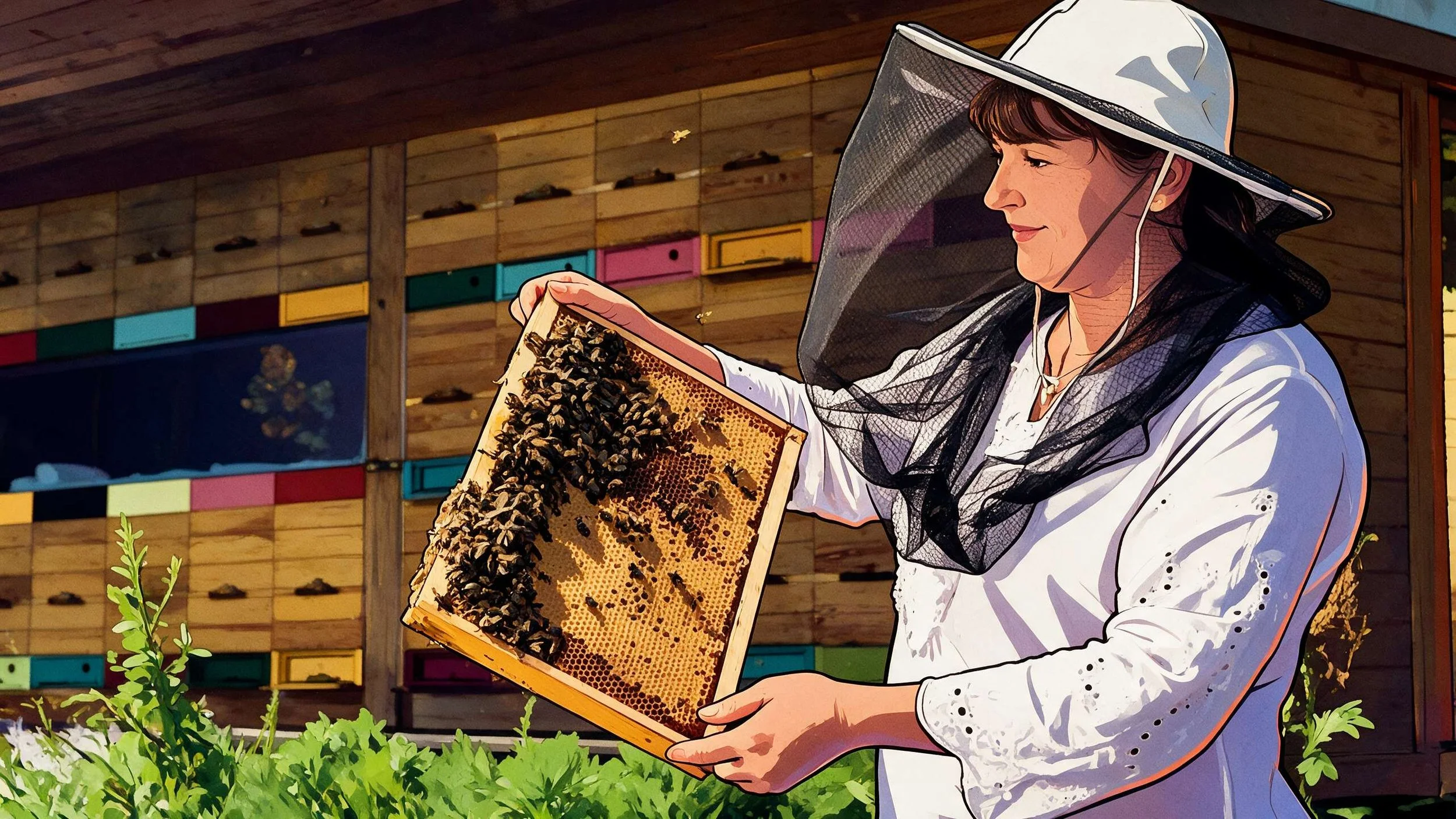
Traditional Ecological Knowledge is the accumulated, place-based understanding that Indigenous peoples and local communities have built up and passed down over generations: how ecosystems behave, when species move, how to manage land, water and fire, and which plants heal. It is tested by long observation and real consequence, and bodies from IPBES and the FAO to the IPCC now recognise it as serious scientific evidence. When tackling the 169 SDG targets, TEK can potentially move the needle of understanding and action.
Wouldn't it be great to see all 169 SDG targets in one place, tell where the evidence is genuinely strong from where it is thin, and separate what is recognised from what is actually running? Well, now you can, with the TEK Traditional Ecological Knowledge Pulse.
 Select, Classify, Prove

The TEK Pulse
Traditional ecological knowledge is what communities have learned about their land, water and seasons over generations. This tool brings it into the classroom: 12 lessons, one for each GreenComp competence, for learners from age 5 to adult, a reading of all 169 SDG targets for where traditional knowledge matters, and a working paper for educators.
Built on the 169to1 working paper Bridging GreenComp And Traditional Ecological Knowledge, with examples from the UK, the EU, Türkiye and further afield, each traced to a named source. Mapped to GreenComp (JRC, 2022) and the SDG targets.
Set Up For Your Class
Two choices tailor the tool. Your choice of learners changes the activities, the discussion questions and the lesson sheets you print. Adult Learners covers teachers, parents, colleagues and community groups, and matches the Adult Learners sheet of each lesson. Learners aged 17 and 18 use the Adult Learners sheets at the teacher's discretion. Your role suggests a first move.
Which Learners Will Take Part?
What Is Your Role?
What This Tool Brings Together
Traditional Ecological Knowledge
The ecologist Fikret Berkes describes it as a body of knowledge, practice and belief, built up through experience and passed down across generations, about how living beings, including people, relate to their environment. It is diverse, local and belongs to particular peoples and places.
Berkes (1999), Sacred Ecology. Working paper, section 1.
GreenComp
The European sustainability competence framework: 12 competences in four areas, published by the European Commission's Joint Research Centre in 2022. It describes what learners should develop, not how to teach it, which leaves room for place-based knowledge.
Bianchi, Pisiotis and Cabrera Giraldez (2022).
169 Targets Read For Traditional Knowledge
Every SDG target is marked for how strongly traditional and local knowledge bears on it, and how far that knowledge is drawn on today. 27 targets have strong relevance, and 8 have an established mechanism for using it.
169to1 reading of named sources. See the SDGs tab.
Why GreenComp And The SDGs
GreenComp gives a common language for sustainability competence. Traditional and place-based knowledge gives learners real places and practices in which to use it. Each of the 12 lessons builds one GreenComp competence, uses examples from the UK, the EU, Türkiye and further afield, and sends learners to find the knowledge held in their own community. Every lesson is tagged with the competences it builds and the SDG targets it works on. Select any chip to see the links.
Teacher's And Student's Notes
Two-page guides for running the tool with a class. Both are also on the Print tab.
Terms Used In This Tool
This is about understanding how traditional knowledge can transform your impact.
If you’re working inside the 169to1® eco-system, transparency and relevance is key to sustainable action.
Select, Classify and Prove… Simple.